Introduction
Have you ever walked into a home and instantly felt at peace—like every wall, window, and corner was designed just for you? That’s the quiet power of residential design. It’s not just about blueprints or paint colors; it’s about shaping the way we live, move, rest, and connect inside our homes.
In reality, residential design influences more than aesthetics. It affects your productivity, mental health, relationships, and even long-term property value. Whether you’re building from scratch, renovating an older house, or simply refreshing your layout, understanding the fundamentals can save you time, money, and frustration.
Today’s homeowners want spaces that are functional, sustainable, emotionally comforting, and future-ready. That said, the journey from idea to finished home can feel overwhelming. This guide breaks it down step by step—so you can approach your next project with clarity and confidence.

What Is Residential Design?
At its core, residential design is the planning and creation of living spaces for individuals and families. It combines architecture, interior planning, structural engineering, environmental considerations, and lifestyle needs into one cohesive vision.
Definition and Scope
Residential design includes:
- Site planning
- Floor plan development
- Structural layout
- Interior configuration
- Lighting and ventilation strategy
- Material selection
- Landscape integration
Unlike commercial architecture, residential design focuses on comfort, privacy, personalization, and emotional well-being.
Why Residential Design Matters
A well-designed home can:
- Increase property value by 5–15% according to real estate data
- Improve natural light exposure, which studies link to better sleep cycles
- Reduce energy consumption through passive design strategies
- Enhance daily routines through thoughtful layout planning
On the other hand, poor design often results in wasted space, poor lighting, awkward circulation paths, and higher utility bills.
Core Principles of Residential Design
Strong residential design always rests on a few timeless principles.
Functionality First
A beautiful home that doesn’t function properly quickly becomes frustrating. Kitchens should support workflow efficiency. Bedrooms should promote rest. Living spaces should encourage connection.
Think of layout flow:
- Clear circulation paths
- Logical room placement
- Minimal wasted corners
Balance and Proportion
Good design respects scale. Oversized furniture in a small living room creates visual clutter. Tiny windows in a large space reduce natural light impact.
Designers often rely on the “rule of thirds” and proportional geometry to maintain harmony.
Natural Light and Ventilation
Cross ventilation reduces reliance on air conditioning. Strategic window placement enhances daylight, lowering electricity use.
In residential design, orientation matters. South-facing windows in colder climates increase passive solar heating. In warmer regions, shading devices become essential.
Material Selection
Materials influence durability, maintenance cost, and atmosphere. Wood adds warmth. Concrete introduces modern minimalism. Stone enhances timeless elegance.
However, material choice must align with:
- Climate
- Budget
- Lifestyle needs
- Maintenance tolerance

Types of Residential Design Styles
Homeowners often gravitate toward a specific style. Let’s explore popular approaches.
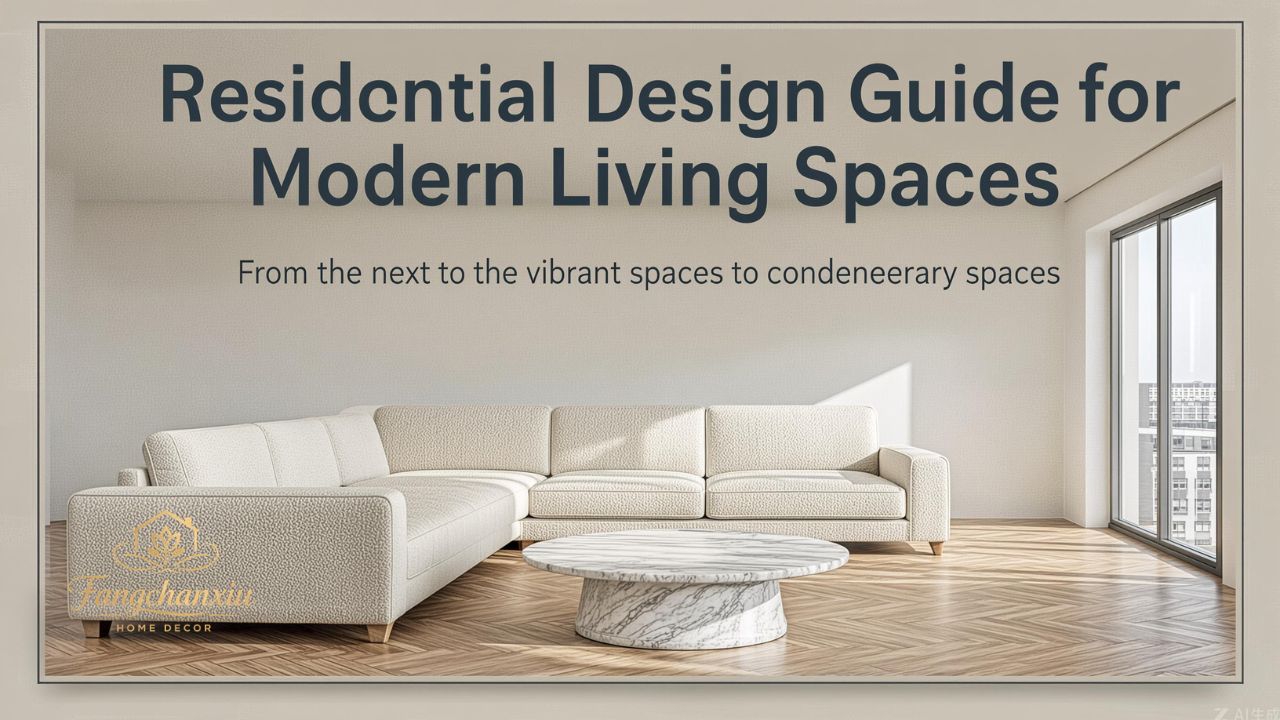
Modern Residential Design
Characterized by:
- Clean lines
- Open floor plans
- Large glass panels
- Minimal ornamentation
Modern residential design embraces simplicity and functionality.
Contemporary Style
Often confused with modern design, contemporary evolves with trends. It blends textures, curved lines, and sustainable materials.
Traditional Design
Inspired by historical architecture:
- Symmetrical layouts
- Detailed moldings
- Classic color palettes
Minimalist Homes
Less is more. Minimalism prioritizes decluttering, natural light, and intentional furniture choices.
Sustainable and Eco-Friendly Homes
Green residential design incorporates:
- Solar panels
- Rainwater harvesting
- Energy-efficient insulation
- Recycled materials
The Residential Design Process Step by Step
Understanding the process reduces anxiety.
1. Initial Consultation
Discuss:
- Budget
- Lifestyle
- Family size
- Future needs
2. Site Analysis
Evaluate:
- Sun path
- Soil condition
- Wind direction
- Local zoning laws
3. Concept Development
Designers draft rough layouts. Clients review and provide feedback.
4. Detailed Design
Includes:
- Structural drawings
- Electrical plans
- Plumbing layouts
- 3D renderings
5. Construction Phase
Contractors execute the plan while designers supervise quality and alignment.
6. Final Inspection
Ensures safety compliance and design integrity.
Sustainable Residential Design Trends
Sustainability is no longer optional—it’s essential.
Energy Efficiency
- LED lighting
- Smart thermostats
- High-performance windows
Homes built with energy-conscious residential design can cut utility bills by 20–30%.
Passive Design Strategy
Maximizes natural heating and cooling without mechanical systems.
Biophilic Design
Integrates nature indoors:
- Indoor plants
- Natural textures
- Water features
Smart Technology in Residential Design
Technology reshapes how we live.
Home Automation
Smart systems control:
- Lighting
- Security
- Temperature
- Appliances
Energy Monitoring Systems
Track usage patterns in real time.
AI-Integrated Living Spaces
Some advanced residential design projects now incorporate predictive automation that adjusts lighting and climate based on daily routines.
Cost Factors and Budget Planning
Budget clarity prevents emotional stress later.
Key Cost Components
| Component | Percentage of Budget |
|---|---|
| Construction | 50–60% |
| Interior Finishes | 15–20% |
| Professional Fees | 8–15% |
| Landscaping | 5–10% |
| Contingency | 5–10% |
Hidden Costs
- Permit fees
- Utility connections
- Custom cabinetry
- Design revisions
Being transparent about finances helps residential design projects stay on track.
Working With Professionals in Residential Design
Choosing the right team makes all the difference.
Architects
Focus on structural integrity and spatial planning.
Interior Designers
Enhance interior aesthetics and functionality.
Contractors
Execute the build.
When collaboration works, residential design becomes seamless. When communication breaks down, delays and cost overruns occur.

Personal Background: The Evolution of Residential Designers
The field of residential design has evolved dramatically over centuries.
Historically, master builders handled architecture, engineering, and construction. Over time, specialization emerged.
Career Journey
Modern residential designers often:
- Earn architecture degrees
- Gain field experience
- Specialize in sustainability or smart homes
Achievements
Top professionals:
- Win design awards
- Publish in architecture magazines
- Lead large residential developments
Financial Insights
Experienced residential designers in major markets can earn six-figure incomes annually. High-end architects working on luxury estates often generate significant revenue through premium commissions.
Frequently Asked Questions
FAQs
What does residential design include?
Residential design covers layout planning, architectural development, interior configuration, and sustainable integration for homes.
How long does a residential design project take?
Typically 6–18 months depending on complexity and approvals.
Is residential design expensive?
Costs vary widely. However, investing in quality design often saves money long-term through efficiency and durability.
Can I do residential design myself?
Small renovations, yes. Full builds usually require professional expertise.
What is the difference between residential design and interior design?
Residential design includes structural planning. Interior design focuses on interior aesthetics and layout.
How does sustainable residential design save money?
Through reduced energy bills, lower maintenance costs, and potential tax incentives.
What software is used in residential design?
Popular tools include AutoCAD, Revit, SketchUp, and BIM platforms.
Does residential design increase property value?
Yes, thoughtfully designed homes often attract higher resale prices.
Conclusion
Your home isn’t just a structure—it’s the backdrop of your life. Thoughtful residential design transforms ordinary spaces into meaningful environments that nurture comfort, creativity, and connection.
Whether you’re building a compact urban house or a spacious suburban retreat, every decision—from layout flow to material choice—matters. By understanding the principles, process, costs, and emerging trends, you can approach your next project with confidence rather than confusion.
In the end, great design isn’t about impressing guests. It’s about creating a space that feels unmistakably yours.