
Introduction
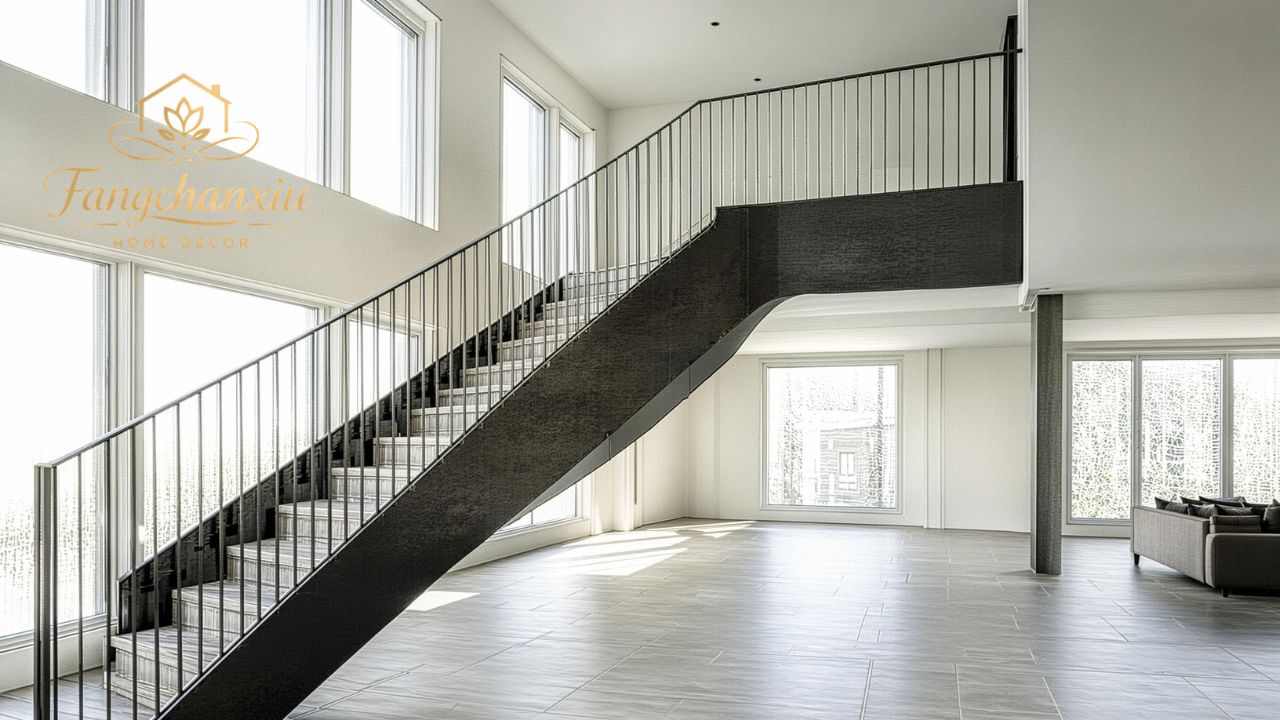
A staircase isn’t just a way to move between floors—it’s a statement piece. And the modern stair railing is what defines whether that statement feels outdated or cutting-edge. Walk into any well-designed home today, and you’ll notice the railing instantly—it frames the space, guides the eye, and quietly signals taste.
Most people underestimate how much impact a railing has. They obsess over flooring, paint, and furniture—but ignore the one element that literally connects levels of their home. That’s a mistake. A well-chosen modern stair railing can transform an ordinary interior into something architectural and intentional.
If you’re planning a renovation or building from scratch, this isn’t a detail you want to get wrong. The right design balances safety, aesthetics, durability, and cost—while aligning with your overall style.

What Defines a Modern Stair Railing?
A modern stair railing is not just about looking sleek. It’s about simplicity, function, and visual clarity.
Key Characteristics
- Clean lines and minimal ornamentation
- Use of materials like glass, metal, cable, or wood blends
- Neutral or monochrome color palettes
- Open and airy appearance
- Focus on geometry rather than decoration
Modern design strips away unnecessary details. If your railing looks busy, heavy, or overly decorative—it’s not modern.
Why It Matters
A poorly chosen railing can:
- Make your space feel cramped
- Clash with your interior theme
- Lower perceived property value
A well-designed one:
- Opens up the space
- Adds architectural interest
- Improves safety without compromising style
Popular Types of Modern Stair Railing
There’s no one-size-fits-all solution. The best option depends on your space, budget, and design direction.
Glass Railings
Glass is the go-to choice for contemporary homes.

It creates an uninterrupted view and makes even small spaces feel larger.
Pros:
- Maximizes light
- Ultra-modern look
- Easy to pair with other materials
Cons:
- Requires regular cleaning
- Higher upfront cost
If you want that “luxury showroom” feel, this is the direction.
Metal Railings
Steel, iron, and aluminum dominate modern railing design.
They work especially well in industrial or urban-style interiors.
Common styles:
- Horizontal bars
- Geometric patterns
- Matte black finishes
Why people choose metal:
- Durable and long-lasting
- Low maintenance
- Strong visual presence
But here’s the reality—cheap metal designs look cheap. If you go this route, invest in good finishing.
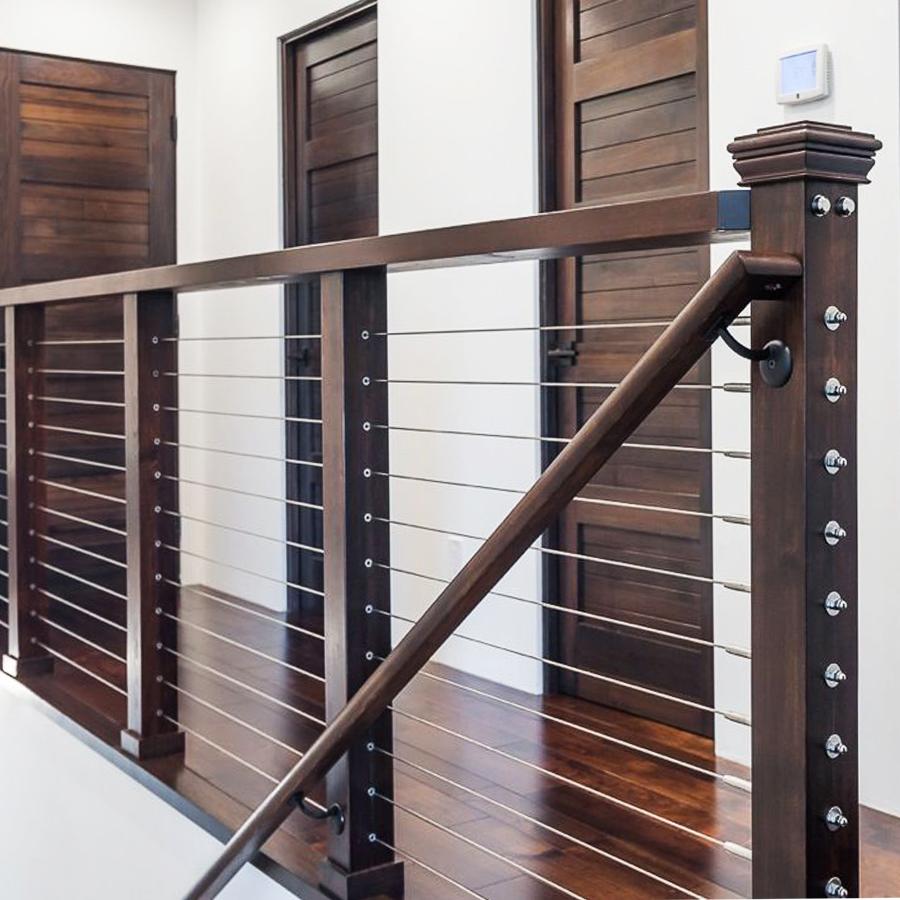
Cable Railings
Cable systems are becoming extremely popular.

They use thin horizontal cables instead of solid bars.
Benefits:
- Minimal visual obstruction
- Great for modern and coastal homes
- Clean and lightweight appearance
Downside:
- Not ideal for homes with small children (climbable)
This is a design-forward option—but not always practical.
Wood and Metal Combinations
If you want warmth without losing modern appeal, this is your sweet spot.
Typical combinations:
- Wooden handrails + metal balusters
- Floating wood stairs + glass railing
- Black steel + light oak
This blend works because it balances softness and structure.
Choosing the Right Modern Stair Railing for Your Home
You can’t just pick what looks good on Pinterest. You need to evaluate your space logically.
1. Consider Your Interior Style
Ask yourself:
- Is your home minimalist, industrial, or traditional-modern?
- Do you already have dominant materials (wood floors, metal fixtures)?
Your modern stair railing should complement—not compete.
2. Space and Layout
Small spaces need open designs like glass or cable.
Large homes can handle bolder, heavier structures.
A bulky railing in a tight space will make your home feel suffocating.
3. Safety Requirements
Let’s be blunt—style means nothing if it’s unsafe.
You need:
- Proper height (usually 36–42 inches)
- Secure installation
- No large gaps (especially with kids)
Ignoring safety codes is not “modern.” It’s reckless.
4. Budget Reality Check
Here’s the breakdown:
- Glass railings → expensive
- Metal railings → mid-range
- Wood combinations → variable
- Cable systems → moderate to high
Don’t chase a look you can’t maintain or afford properly.
Materials Breakdown: What Works Best?
Glass
Best for:
- Luxury interiors
- Small or dark spaces
Avoid if:
- You hate cleaning fingerprints
Stainless Steel
Best for:
- Long-term durability
- Modern industrial homes
Avoid if:
- You want a warm aesthetic
Wood
Best for:
- Transitional designs
- Adding warmth
Avoid if:
- You want ultra-minimalism
Aluminum
Best for:
- Budget-friendly modern designs
- Outdoor railings
Avoid if:
- You want a premium feel
Design Trends in Modern Stair Railing
Trends matter—but blindly following them doesn’t.
Floating Staircases with Minimal Railings

These create a dramatic, high-end look.
But they require precise engineering. Not something to DIY.
Black Matte Finishes
This trend is everywhere—and for good reason.
- Works with almost any color palette
- Looks clean and bold
- Doesn’t show wear easily
But overuse can make your home feel generic.
Mixed Materials
Designers are combining:
- Glass + wood
- Metal + cable
- Steel + stone
This creates depth and uniqueness.
Geometric Patterns
Instead of plain bars, people are experimenting with:
- Diagonal lines
- Abstract shapes
- Custom metalwork
This is where you can actually stand out—if done right.
Installation: DIY or Professional?
Let’s be honest—most people should not DIY this.
When DIY Works
- Simple metal kits
- Basic wood railings
- Straight staircases
When You Need a Professional
- Glass installations
- Custom designs
- Floating stairs
A poorly installed modern stair railing is dangerous. Not “slightly off”—dangerous.
Maintenance and Longevity
If you ignore maintenance, even the best design will degrade.

Glass
- Clean weekly
- Use anti-smudge coatings
Metal
- Check for rust
- Repaint if needed
Wood
- Polish regularly
- Protect from moisture
Durability isn’t just about material—it’s about upkeep.
Cost Breakdown
Here’s a realistic estimate:
- Basic metal railing: $50–$150 per linear foot
- Glass railing: $150–$600 per linear foot
- Cable systems: $100–$300 per linear foot
- Custom designs: sky’s the limit
If someone offers a “cheap” modern solution, question the quality.
Common Mistakes to Avoid
Most people mess this up in predictable ways.
1. Choosing Style Over Function
Looks fade. Safety issues don’t.
2. Ignoring Scale
A massive railing in a small space kills the design.
3. Mixing Too Many Materials
Modern design thrives on restraint.
4. Cheap Installation
Bad workmanship ruins even premium materials.
5. Not Thinking Long-Term
Will it still look good in 5 years? Or just trendy now?
FAQ
Frequently Asked Questions
What is the best material for a modern stair railing?
Glass and metal are the top choices. Glass offers openness, while metal provides durability and structure.
Are modern stair railings safe for families?
Yes—if designed correctly. Avoid climbable designs like wide cable gaps if you have kids.
How much does a modern stair railing cost?
Costs vary widely, but expect anywhere from $50 to $600 per linear foot depending on material and complexity.
Can I install a modern stair railing myself?
Only for simple designs. Complex systems like glass or floating structures require professionals.
Do modern stair railings increase home value?
Yes. A well-designed modern stair railing enhances visual appeal and can improve resale value.
Which railing style is best for small spaces?
Glass or cable railings work best because they don’t block light or views.
How do I maintain a modern stair railing?
Regular cleaning, inspections, and occasional refinishing depending on material.
Are glass railings durable?
Yes, when made with tempered or laminated glass. They’re strong but require maintenance.
Conclusion
A modern stair railing isn’t just a detail—it’s a defining feature. It influences how your space feels, how light moves, and how people experience your home.
If you treat it like an afterthought, it will look like one. If you approach it strategically—choosing the right materials, design, and installation—you elevate the entire property.
The difference between average and exceptional design is rarely about big changes. It’s about getting the important details right. This is one of them.