
Introduction
Ever walked through your home and thought, “We love this place… but we’ve outgrown it”? You’re not alone. For many families, house additions become the perfect middle ground between staying put and starting over somewhere new.
Instead of dealing with the emotional and financial stress of moving, homeowners are choosing to expand their existing space. Whether it’s adding a sunlit family room, building a second story, or converting a garage into a home office, house additions allow you to reshape your living space around your life—not the other way around.
In reality, homes are rarely “one-size-fits-all.” Families grow. Work situations change. Hobbies evolve. And that spare bedroom you once ignored suddenly becomes essential. That’s why thoughtful planning and smart design are so important when expanding your home.
What Are House Additions?
At its core, house additions refer to structural expansions built onto an existing home to increase square footage. Unlike minor remodels—like updating cabinets or flooring—additions physically expand the footprint or height of a house.
Definition
A house addition is a construction project that adds livable space to an existing residential property, either horizontally (extending outward) or vertically (building upward).
This can include:
- New bedrooms
- Expanded kitchens
- Home offices
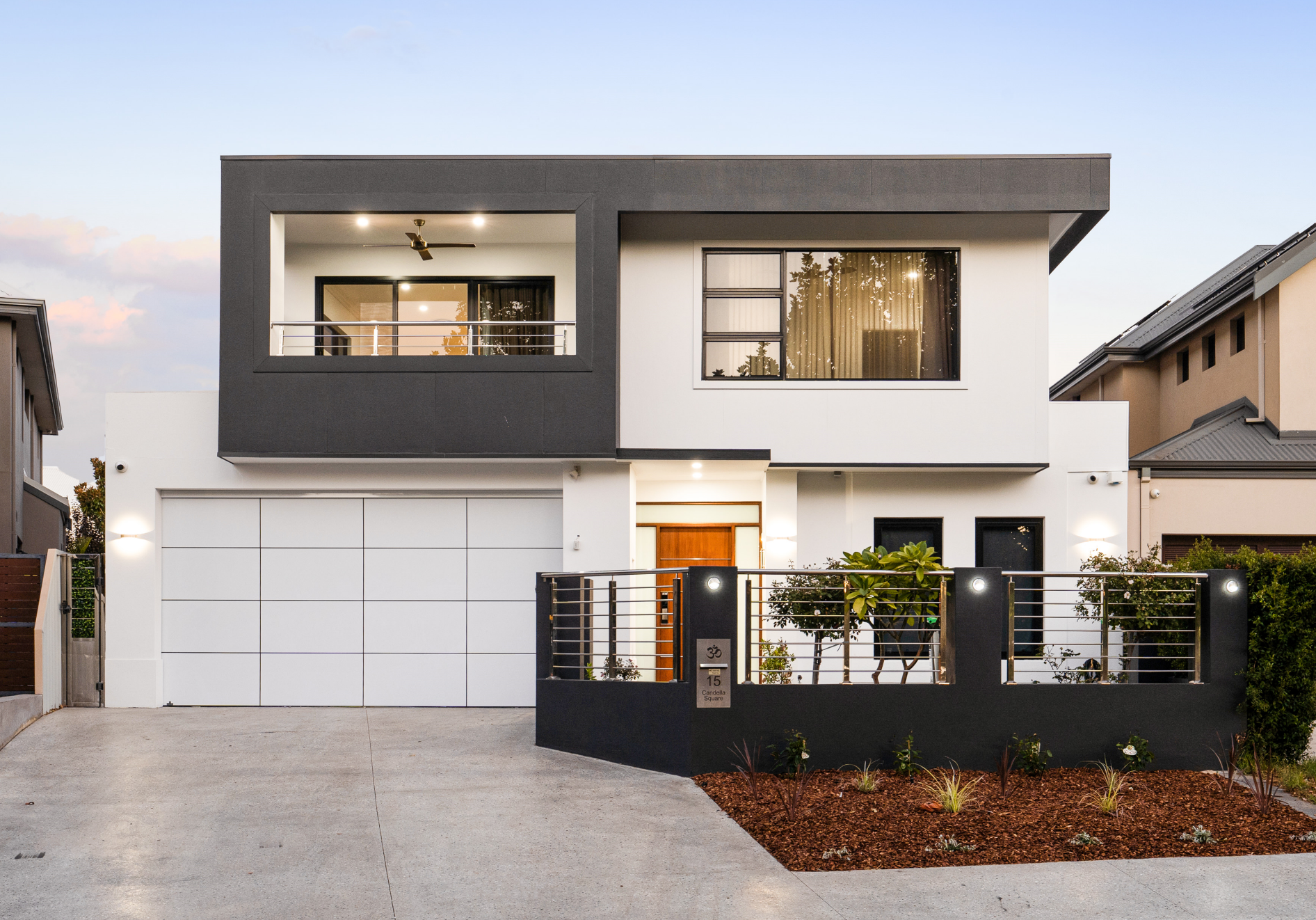
- Second-story additions
- In-law suites
- Sunrooms
The goal isn’t just space—it’s improved functionality. A well-designed addition blends seamlessly with the original architecture while solving real lifestyle challenges.
Why Homeowners Choose House Additions
Moving isn’t cheap. According to industry estimates, the average cost of selling and buying a new home can easily exceed 10% of a home’s value once you factor in agent commissions, closing costs, and moving expenses.
That said, here’s why many families opt for expansion instead:
1. Emotional Attachment
You may love your neighborhood, your child’s school district, or your backyard view. Expanding allows you to stay rooted while adapting your space.
2. Rising Real Estate Prices
In competitive housing markets, upgrading to a larger home can be significantly more expensive than adding square footage.
3. Remote Work Trends
Since 2020, demand for home offices has skyrocketed. Converting unused space or building a dedicated workspace has become one of the most popular house additions nationwide.
4. Multigenerational Living
In-law suites and accessory dwelling units (ADUs) are increasingly common, especially in areas with aging populations.

Types of House Additions
Not all additions are created equal. The type you choose depends on budget, lot size, and structural feasibility.
Room Addition (Ground-Level Expansion)
This is the most common form of house additions. It involves extending outward from an existing wall to create an entirely new room.
Common uses:
- Guest bedroom
- Family room
- Expanded dining area
Second-Story Addition
If your lot is limited, building upward may be your best option.
Pros:
- Doubles square footage potential
- Preserves yard space
Cons:
- More expensive
- Structural reinforcement required
Bump-Out Addition
A bump-out is a small extension—usually 2 to 10 feet—that enlarges an existing room.
Ideal for:
- Expanding a kitchen
- Enlarging a bathroom
- Creating a breakfast nook
Garage Conversion
Converting a garage into living space is often more affordable than new construction.
However, keep in mind:
- You may reduce resale appeal if parking becomes limited.
Sunrooms and Enclosed Porches
These provide additional living space with natural light but may have lower insulation and energy efficiency compared to full structural additions.
Planning and Designing House Additions
This is where most projects succeed—or fail.
Step 1: Assess Structural Feasibility
Consult a structural engineer before committing to any design. Load-bearing walls, foundation capacity, and roofline integration all matter.
Step 2: Work With Professionals
An architect or design-build contractor ensures your addition blends seamlessly with the original home.
Look for:
- Matching rooflines
- Similar siding and materials
- Proportional window placement
Step 3: Consider Flow and Functionality
An addition shouldn’t feel like an afterthought. Ask yourself:
- Does traffic flow naturally?
- Is lighting sufficient?
- Does it enhance daily living?
Costs and Budgeting Considerations
Let’s talk numbers—because this is where reality hits.
On average:
- Basic room additions: $80–$200 per square foot
- Second-story additions: $150–$300 per square foot
- Luxury additions: $300+ per square foot
Cost Breakdown Table
| Component | Estimated % of Budget |
|---|---|
| Design & Planning | 5–15% |
| Permits & Fees | 2–5% |
| Foundation & Framing | 20–30% |
| Electrical & Plumbing | 10–15% |
| Interior Finishes | 25–35% |
| Contingency Fund | 10–20% |
Always build in a contingency. Unexpected issues—like outdated wiring or hidden water damage—can increase costs quickly.
Permits, Zoning, and Legal Requirements
Most house additions require building permits. Skipping this step can lead to fines—or worse, forced demolition.
Key considerations:
- Local zoning regulations
- Setback requirements
- HOA approvals
- Property line restrictions
In many municipalities, inspections occur at multiple stages of construction.
Return on Investment (ROI)
Not every addition delivers the same resale value.
Here’s a general idea:
| Addition Type | Average ROI |
|---|---|
| Bathroom Addition | 50–60% |
| Primary Suite Addition | 60–70% |
| Sunroom | 45–55% |
| Kitchen Expansion | 60–80% |
That said, ROI isn’t just financial. Improved lifestyle value often outweighs resale percentages.
Timeline and Construction Process
From concept to completion, most house additions take 3 to 9 months depending on complexity.
Typical phases:
- Design & Planning (4–8 weeks)
- Permit Approval (2–6 weeks)
- Construction (8–20 weeks)
- Final Inspections
Delays happen. Weather, supply chain issues, and contractor schedules all affect timing.

Common Mistakes to Avoid
Even smart homeowners slip up. Here are pitfalls to watch for:
- Underestimating total costs
- Ignoring neighborhood comparables
- Choosing lowest bid over quality
- Poor material matching
- Not planning for resale
In reality, cutting corners early often costs more later.
FAQ
What is the average cost of house additions?
Costs vary widely but typically range between $80 and $300 per square foot depending on location and complexity.
How long do house additions take?
Most projects take 3 to 9 months from design to final inspection.
Do house additions increase property value?
Yes, especially if they add bedrooms or bathrooms. However, ROI depends on local market conditions.
Do I need a permit for house additions?
In most areas, yes. Structural changes almost always require permits.
Is it cheaper to build up or build out?
Building out is often cheaper, but lot size and zoning restrictions may limit options.
Can I live in my house during construction?
Usually yes, but expect noise, dust, and temporary disruptions.
Conclusion
Expanding your home isn’t just about adding walls—it’s about adding possibility. Well-planned house additions create room for new memories, growing families, and evolving lifestyles.
That said, success depends on preparation, budgeting wisely, and working with experienced professionals. When done right, your addition won’t feel like an extra—it will feel like it was always meant to be there.
If you’re standing at the crossroads between moving and remodeling, take a breath. With careful planning, your current house might just become your forever home.