
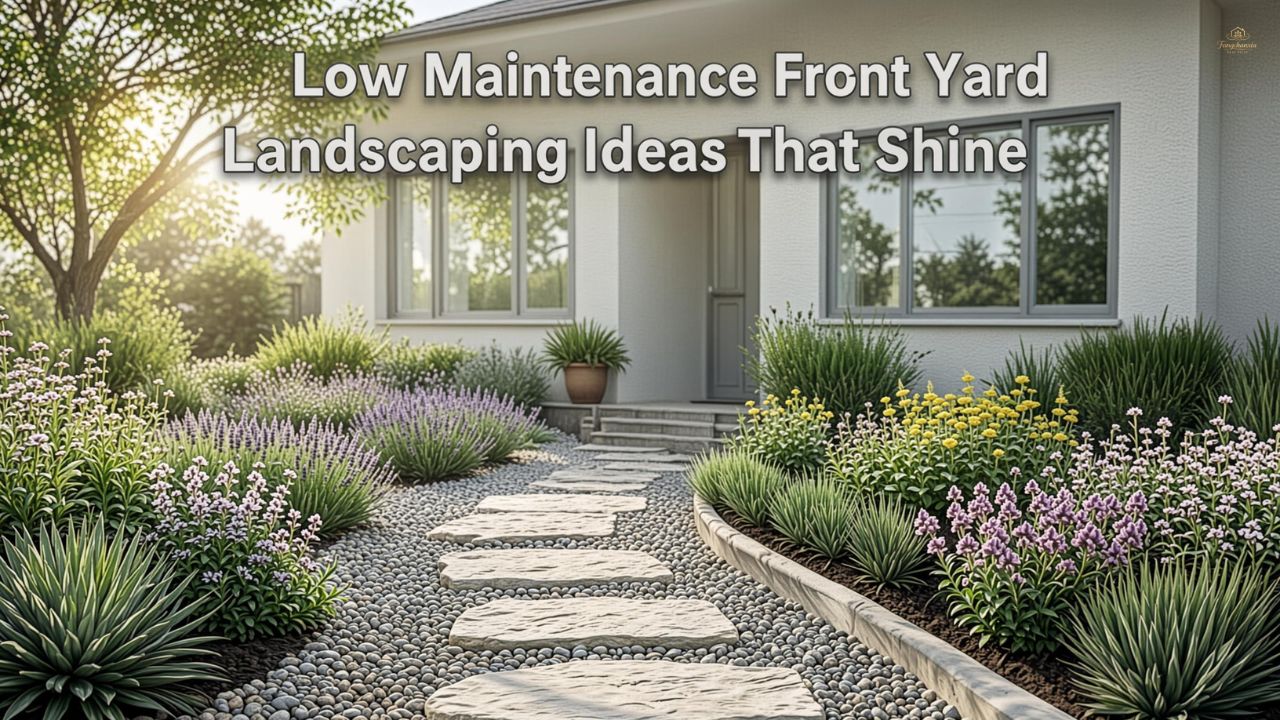
Introduction
A beautiful front yard doesn’t have to mean spending every weekend pulling weeds, trimming hedges, or dragging hoses around in the summer heat. That’s exactly why low maintenance front yard landscaping has become one of the most popular outdoor design trends among homeowners who want curb appeal without constant upkeep. People are increasingly searching for landscaping solutions that look polished and welcoming while requiring less time, less water, and far less stress.
Modern life is busy enough already. Between work schedules, family responsibilities, and endless home maintenance tasks, many homeowners simply don’t want landscapes that feel like second jobs. However, low-maintenance landscaping doesn’t mean boring or lifeless. In reality, some of the most elegant front yards today are intentionally designed around simplicity, drought-tolerant plants, clean layouts, and sustainable materials.
The secret is smart planning. Instead of filling the yard with high-maintenance grass and demanding flower beds, homeowners are choosing practical yet stylish combinations of stone pathways, native plants, mulch, ornamental grasses, and structured greenery. The result feels calm, modern, and effortlessly attractive year-round.

Table of Contents
Why Low Maintenance Landscaping Is So Popular
Benefits of Low Maintenance Front Yard Landscaping
Planning Your Front Yard Layout
Best Plants for Low Maintenance Landscaping
Drought-Tolerant Landscaping Ideas
Rock and Gravel Landscaping Solutions
Mulch Ideas for Easy Yard Care
Modern Minimalist Front Yard Designs
Small Front Yard Landscaping Ideas
Front Yard Lighting and Hardscaping
Budget-Friendly Landscaping Tips
Common Landscaping Mistakes to Avoid
Frequently Asked Questions
Conclusion
Why Low Maintenance Landscaping Is So Popular
Homeowners today increasingly prioritize practicality alongside aesthetics.
Busy Lifestyles Demand Simplicity
Many people no longer have the time or energy for:
- Weekly mowing
- Constant watering
- Seasonal replanting
- Intensive pruning
Low-maintenance landscapes reduce ongoing yard work significantly.
Water Conservation Matters More
In many regions, drought conditions and rising utility costs encourage homeowners to reduce water usage.
Modern Design Trends Favor Simplicity
Clean, uncluttered landscaping often feels:
- More elegant
- More organized
- More modern
- Easier to maintain
Sustainability Is Becoming Important
Eco-conscious landscaping supports:
- Native plant growth
- Reduced chemical use
- Lower water consumption
- Better long-term durability
Benefits of Low Maintenance Front Yard Landscaping
The appeal of low maintenance front yard landscaping goes far beyond convenience.

Reduced Water Bills
Drought-resistant plants and reduced lawn areas can significantly lower monthly water expenses.
Less Physical Labor
A thoughtfully designed landscape minimizes:
- Weeding
- Trimming
- Fertilizing
- Lawn care
Improved Curb Appeal
Minimalist landscaping often looks more intentional and polished than overly crowded yards.
Long-Term Cost Savings
Although some upfront investment may be required, low-maintenance landscapes often reduce:
- Maintenance expenses
- Plant replacement
- Irrigation costs

Planning Your Front Yard Layout
Good landscaping starts with thoughtful structure.
Focus on Simplicity
Overly complicated designs typically require more upkeep.
Create Clear Zones
Many successful front yards include:
- Pathways
- Plant beds
- Decorative focal points
- Seating areas
Consider Sunlight and Drainage
Plants thrive when matched properly to:
- Sun exposure
- Soil type
- Drainage conditions
Leave Room for Growth
One common mistake is overcrowding plants too closely together.
Best Plants for Low Maintenance Landscaping

Choosing the right plants dramatically reduces yard work.
Native Plants
Native plants naturally adapt to local:
- Climate
- Rainfall
- Soil conditions
This reduces maintenance significantly.
Ornamental Grasses
Popular options include:
- Fountain grass
- Blue fescue
- Mexican feather grass
These add texture while requiring minimal care.
Evergreen Shrubs
Evergreens maintain year-round structure and reduce seasonal replanting.
Succulents and Desert Plants
In warm climates, succulents provide:
- Visual interest
- Drought resistance
- Minimal watering needs
Drought-Tolerant Landscaping Ideas
Water-smart landscaping continues growing rapidly in popularity.
Xeriscaping
Xeriscaping focuses on landscapes requiring minimal irrigation.
Common elements include:
- Gravel
- Mulch
- Native plants
- Succulents
- Decorative stone
Reduce Lawn Areas
Traditional grass lawns often require the highest maintenance.
Replacing portions with:
- Ground cover
- Stone
- Mulch
- Hardscaping
reduces upkeep dramatically.
Drip Irrigation Systems
Drip irrigation delivers water directly to plant roots more efficiently than sprinklers.
Rock and Gravel Landscaping Solutions
Stone materials create durability and visual texture.

Decorative Gravel
Gravel works beautifully for:
- Walkways
- Plant borders
- Dry creek beds
- Modern minimalist landscapes
River Rock Features
River rock introduces natural softness and visual movement.
Stone Pathways
Stone walkways create structure while reducing muddy or worn lawn areas.
Combining Stone With Plants
The contrast between greenery and stone creates especially attractive curb appeal.
Mulch Ideas for Easy Yard Care
Mulch quietly solves multiple landscaping problems at once.
Benefits of Mulch
Mulch helps:
- Retain moisture
- Reduce weeds
- Improve soil temperature
- Create cleaner appearance
Organic Mulch Options
Popular choices include:
- Bark mulch
- Cedar mulch
- Pine straw
Decorative Mulch Colors
Dark mulch often creates striking contrast against greenery and stone.
Refreshing Mulch Annually
Most mulch benefits from occasional replenishment to maintain appearance and effectiveness.
Modern Minimalist Front Yard Designs
Minimalist landscaping continues dominating modern architecture.
Clean Geometric Layouts
Simple lines and structured plant placement create polished visual flow.
Repetition Creates Calmness
Repeating plants or materials creates organized, cohesive landscapes.
Limited Plant Varieties
Too many plant species can make front yards feel cluttered and difficult to maintain.
Hardscaping as Design Feature
Modern minimalist yards often emphasize:
- Concrete paths
- Stone features
- Gravel sections
- Raised planters
Small Front Yard Landscaping Ideas
Compact spaces benefit especially from intentional design.
Vertical Landscaping
Tall plants and layered greenery maximize visual impact without overcrowding.
Raised Beds
Raised planters create structure and easier maintenance.
Symmetry Improves Visual Balance
Balanced layouts often make small yards feel more spacious.
Avoid Overdecorating
Too many decorative elements quickly overwhelm compact spaces.
Front Yard Lighting and Hardscaping
Lighting dramatically improves nighttime curb appeal.
Pathway Lighting
Soft pathway lights improve:
- Safety
- Ambiance
- Visual structure
Uplighting Trees and Plants
Strategic lighting highlights landscaping features beautifully after dark.
Low-Maintenance Hardscape Materials
Durable options include:
| Material | Benefits |
|---|---|
| Concrete Pavers | Durable and modern |
| Gravel | Affordable and low upkeep |
| Natural Stone | Timeless appearance |
| Brick | Traditional charm |
Defined Borders Improve Appearance
Edging creates cleaner transitions between landscaping elements.
Budget-Friendly Landscaping Tips
Beautiful landscaping doesn’t require enormous budgets.
Start Small
Focus on high-impact areas first:
- Entryway
- Walkways
- Foundation beds
Use Perennials
Perennials return yearly, reducing replanting costs.
Buy Smaller Plants
Younger plants cost less and often establish more successfully over time.
DIY Simple Hardscaping
Basic gravel pathways and mulch beds can dramatically improve appearance affordably.
Common Landscaping Mistakes to Avoid
Even attractive landscapes can become maintenance nightmares with poor planning.
Planting High-Maintenance Species
Some plants require:
- Frequent trimming
- Heavy watering
- Constant pest control
Ignoring Local Climate
Plants unsuited to regional conditions struggle and increase maintenance demands.
Overcrowding Plants
Crowded beds quickly become difficult to maintain and visually messy.
Too Much Lawn
Large grass areas usually create the highest maintenance burden.
Seasonal Landscaping Considerations
Low-maintenance doesn’t mean maintenance-free.
Spring Cleanup
Most landscapes benefit from:
- Light pruning
- Mulch refreshing
- Basic weeding
Summer Watering Adjustments
Even drought-tolerant plants may require occasional watering during extreme heat.
Fall Maintenance
Removing leaves and trimming dead growth keeps landscapes cleaner through winter.
Winter Structure Matters
Evergreens and hardscape elements help maintain curb appeal during colder months.
Why Minimalist Landscaping Feels More Relaxing
Front yard design affects emotional perception more than many people realize.
Simplicity Reduces Visual Stress
Organized landscaping often feels calmer and more welcoming.
Clean Layouts Feel Modern
Minimalist yards frequently appear more upscale because they emphasize intentional design.
Nature Still Feels Inviting
Low-maintenance landscaping doesn’t eliminate greenery — it simply uses it more strategically.
Landscaping Trends for 2026
Outdoor design trends continue evolving toward sustainability and simplicity.

Native Plant Landscaping
Homeowners increasingly prioritize local plant species for environmental and maintenance benefits.
Warm Natural Materials
Wood, stone, and earthy textures remain highly desirable.
Pollinator-Friendly Gardens
Bee-friendly and butterfly-friendly landscapes continue growing in popularity.
Smart Irrigation Technology
Modern irrigation systems now optimize:
- Water usage
- Scheduling
- Soil monitoring
FAQs
What is the easiest front yard landscaping to maintain?
Landscapes using native plants, mulch, gravel, and drought-tolerant greenery generally require the least maintenance.
How can I reduce front yard maintenance?
Reduce lawn size, choose hardy plants, install mulch, and simplify plant variety for easier upkeep.
What plants work best for low-maintenance landscaping?
Native plants, ornamental grasses, succulents, evergreen shrubs, and drought-tolerant perennials work especially well.
Is rock landscaping cheaper than grass?
Over time, rock landscaping often reduces water, mowing, and maintenance costs compared to traditional lawns.
How often should mulch be replaced?
Most mulch benefits from refreshing once annually depending on weather and decomposition.
Can low-maintenance landscaping still look luxurious?
Absolutely. Many modern luxury homes intentionally use minimalist low-maintenance landscaping designs.
Does low-maintenance landscaping increase home value?
Attractive curb appeal and reduced maintenance demands often improve buyer interest and perceived home value.
What is xeriscaping?
Xeriscaping is a landscaping method focused on minimizing water usage through drought-resistant plants and efficient design.
Conclusion
The growing popularity of low maintenance front yard landscaping reflects a larger shift in how homeowners think about outdoor spaces. People still want beauty, curb appeal, and welcoming environments — but they no longer want landscapes that demand endless hours of upkeep every week.
The most successful low-maintenance landscapes balance practicality with thoughtful design. Through drought-tolerant plants, smart layouts, natural materials, and intentional simplicity, it’s entirely possible to create front yards that feel modern, elegant, and inviting while dramatically reducing ongoing work.
Ultimately, a great front yard shouldn’t create stress. It should quietly enhance everyday life, welcome people home warmly, and stay beautiful without constantly demanding attention.