
Introduction
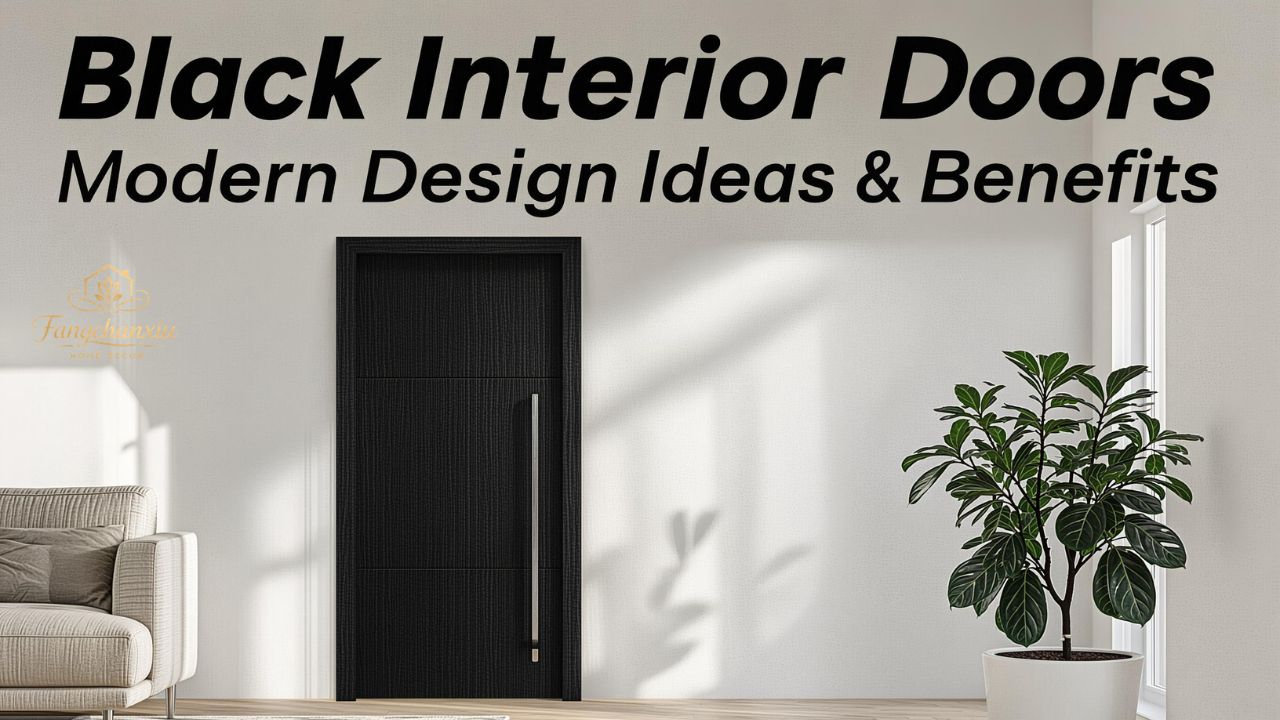
There’s a quiet design shift happening in modern homes—and it’s bold, dramatic, and surprisingly timeless. Black interior doors are no longer just a niche trend; they’ve become a defining feature in contemporary interiors.
At first glance, they might seem like a risky choice. Dark colors in smaller spaces? Sounds counterintuitive. But in reality, black interior doors can elevate a room’s aesthetic, create depth, and add a level of sophistication that standard white doors simply can’t match.
If you’re serious about upgrading your home—whether for personal comfort or resale value—this is a design move worth understanding deeply. Done right, it doesn’t just look good. It transforms how a space feels.
Why Black Interior Doors Are Trending
Interior design trends come and go, but some stick because they solve real aesthetic problems. This is one of them.
Black doors create contrast. And contrast is what makes a space visually interesting. In a world filled with neutral walls and safe design choices, they act as an anchor point.

They also align perfectly with modern design principles:
- Clean lines
- Minimal clutter
- Strong visual structure
The Psychology Behind Dark Accents
Black represents strength, clarity, and definition. When used correctly in interiors, it creates:
- A sense of structure
- Visual boundaries
- A premium, curated look
Without contrast, rooms often feel flat. Black elements fix that instantly.
Design Benefits of Black Interior Doors
1. Instant Contrast Without Clutter
Instead of adding more furniture or décor, a black door gives you visual interest without overcrowding your space.
2. Works Across Multiple Styles
Whether your home is:
- Modern
- Industrial
- Farmhouse
- Scandinavian
Black doors fit in seamlessly when paired correctly.
3. Hides Wear and Tear Better
White doors show everything—fingerprints, scratches, dirt. Black finishes (especially matte) are far more forgiving.
4. Adds Perceived Value
Homes with bold, intentional design choices often feel more expensive. This matters if you’re thinking long-term resale.
Types of Black Interior Doors

Panel Doors
Classic and versatile. These work well in traditional and transitional homes.
Flush Doors
Flat, smooth surfaces—perfect for modern and minimalist interiors.

Glass Panel Doors
Great for maintaining light flow while still introducing dark contrast.
Sliding Doors
Ideal for small spaces where swing doors are impractical.
Where to Use Black Interior Doors
Living Rooms
They create a focal point without needing extra décor.
Bedrooms
Adds depth and coziness, especially when paired with neutral bedding.
Bathrooms
When combined with metallic fixtures, the result feels high-end and intentional.
Home Offices
Perfect for creating a professional, focused environment.
How to Style Black Interior Doors Correctly
This is where most people mess up. They install the doors—but don’t adjust the rest of the space.

Pair With Light Walls
Contrast is key. Black doors against white or light gray walls create balance.
Match Hardware Carefully
Use:
- Matte black handles (for a seamless look)
- Brass or gold (for contrast and warmth)
Use Consistent Trim Strategy
You have two choices:
- White trim for contrast
- Black trim for a bold, unified look
Don’t mix randomly—it looks unplanned.
Lighting Matters More Than You Think
Dark elements absorb light. That’s a fact.
So if your space already lacks natural light, adding black doors without adjusting lighting will make it feel smaller—not stylish.

Fix It With:
- Layered lighting (ambient + task + accent)
- Mirrors to reflect light
- Lighter flooring
Common Mistakes to Avoid
1. Using Too Many Dark Elements
Black doors + dark walls + dark floors = heavy, cramped space
2. Ignoring Flow Between Rooms
Your doors should match or complement each other across the home. Random styles break visual harmony.
3. Cheap Finishes
A low-quality black paint job looks worse than a standard white door. Always go for:
- Matte or satin finishes
- Smooth, even coating
4. Poor Contrast Planning
If everything blends together, the effect is lost. Contrast is the entire point.
Are Black Interior Doors Right for Small Spaces?
Short answer: yes—but only if done strategically.
What Works
- Light walls
- Minimal furniture
- Good lighting
What Doesn’t
- Dark ceilings
- Cluttered rooms
- Poor ventilation or lighting
Think of black doors as accents, not the dominant feature.
Cost vs Value: Is It Worth It?
Let’s be practical.
Costs
- Higher than standard white doors
- Requires better paint or finish
- May need matching hardware upgrades
Value
- Strong visual impact
- Modern appeal
- Higher perceived home value
If you’re flipping or renting, this small upgrade can make your listing stand out instantly.
Maintenance and Durability
Black surfaces don’t show dirt as easily—but they do show:
- Dust
- Smudges under certain lighting
Best Practices
- Use microfiber cloths
- Avoid harsh cleaners
- Choose matte over gloss to reduce fingerprints
Black Interior Doors in Different Design Styles
Modern Minimalist
Clean lines + black doors = perfect match
Industrial
Combine with metal and exposed materials
Farmhouse
Use black doors with white shiplap walls for contrast
Scandinavian
Keep everything else light and simple
FAQ Section
FAQs
Are black interior doors a passing trend?
No. They’ve been around in high-end design for years. The trend is just becoming more mainstream.
Do black doors make a room look smaller?
Only if lighting and contrast are poorly managed. With proper design, they can actually add depth.
What finish is best for black interior doors?
Matte or satin finishes are ideal. They hide imperfections and look more premium.
Can I mix black doors with white trim?
Yes, and it’s one of the most popular combinations. It creates strong visual contrast.
Are black doors hard to maintain?
Not really. They hide dirt better than white doors but may show dust depending on lighting.
Do black interior doors work in traditional homes?
Yes, especially panel-style doors. It adds a modern twist without losing character.
Should all doors in a house be black?
For consistency, yes. Mixing random colors usually looks unintentional.
Are black doors more expensive?
Slightly, especially if you upgrade hardware and finishes—but the visual payoff is significant.
Conclusion
Black interior doors aren’t just a design choice—they’re a statement. They bring structure, contrast, and sophistication into spaces that would otherwise feel ordinary.
But here’s the reality: they only work if you think beyond the door itself. Lighting, wall color, hardware, and overall balance matter just as much.
If you approach it strategically, this single upgrade can redefine your entire home. If you don’t, it’ll just look like a trend you copied without understanding.
So don’t follow the trend blindly. Use it with intent—and make it work in your favor.