Introduction
There’s something magical about waking up to the sound of waves and the scent of salt in the air. Coastal homes capture that feeling perfectly, blending relaxed seaside living with thoughtful design that celebrates light, air, and nature.
Whether overlooking a dramatic shoreline or tucked near a quiet sandy beach, coastal homes have a timeless charm. Their open layouts, breezy color palettes, and natural materials create spaces that feel peaceful, welcoming, and connected to the outdoors.
For homeowners and design lovers alike, coastal architecture offers more than just beautiful views. It reflects a lifestyle centered on simplicity, comfort, and harmony with nature. From classic beach cottages to modern oceanfront villas, these homes embody the essence of relaxed living by the sea.
In this guide, we’ll explore what makes seaside houses so special—from architectural styles and interior design to materials, layouts, and practical tips for creating a coastal-inspired retreat.

What Defines Coastal Homes?
Architecture Inspired by the Sea
At their core, coastal homes are designed to embrace the surrounding environment. Their architecture often prioritizes views, natural light, and ventilation to enhance the connection between indoors and outdoors.
Common architectural features include:
- Large windows facing the ocean
- Wraparound porches or decks
- Elevated structures for flood protection
- Light, reflective exterior colors
- Open floor plans that maximize airflow
These elements help homes feel airy and relaxed while ensuring they withstand the coastal climate.
Natural Materials and Weather Resistance
Because seaside environments can be harsh, materials play a crucial role in coastal home construction. Salt air, humidity, and strong winds require durable choices that balance beauty with practicality.

Popular materials include:
- Cedar or teak wood
- Weather-resistant composite siding
- Stone accents
- Metal roofing
- Impact-resistant glass windows
These materials not only protect the home but also add authentic texture and character.
Popular Architectural Styles for Coastal Homes
Classic Beach Cottage
The beach cottage is one of the most beloved seaside styles. These homes are typically modest in size but full of charm.
Characteristics often include:
- Shingle siding
- Cozy front porches
- Soft pastel color palettes
- Simple rectangular layouts
Beach cottages evoke nostalgia and warmth, making them ideal for relaxed family living.
Modern Coastal Architecture
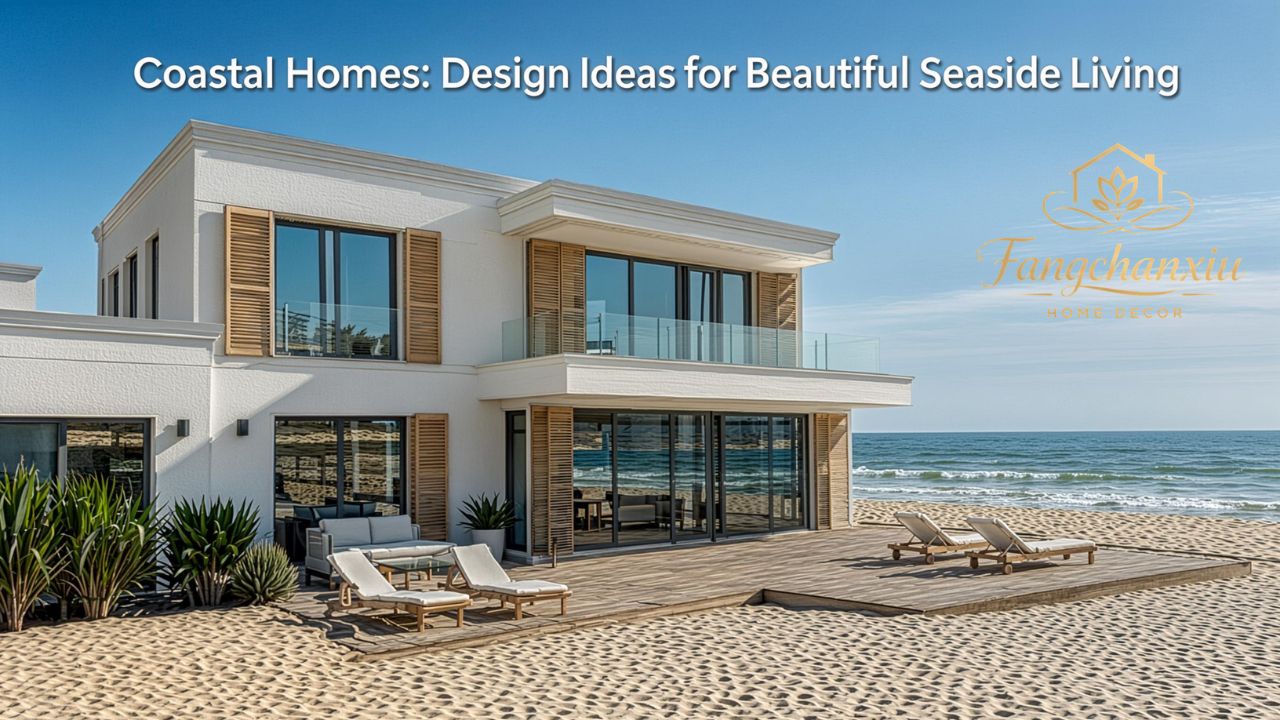
Modern coastal homes combine contemporary design with the openness of seaside living. Clean lines, glass walls, and minimalist materials define this style.
Key elements include:
- Floor-to-ceiling windows
- Flat or low-pitched roofs
- Neutral color palettes
- Seamless indoor-outdoor living spaces
These homes often feel like extensions of the surrounding landscape.

Interior Design in Coastal Homes
Light and Airy Color Palettes
Color plays a major role in shaping the atmosphere of seaside interiors. Coastal homes typically feature light, calming palettes inspired by the natural surroundings.
Popular colors include:
- Soft whites
- Sandy beiges
- Seafoam greens
- Ocean blues
- Driftwood grays
These tones create a tranquil environment that mirrors the colors of the coast.
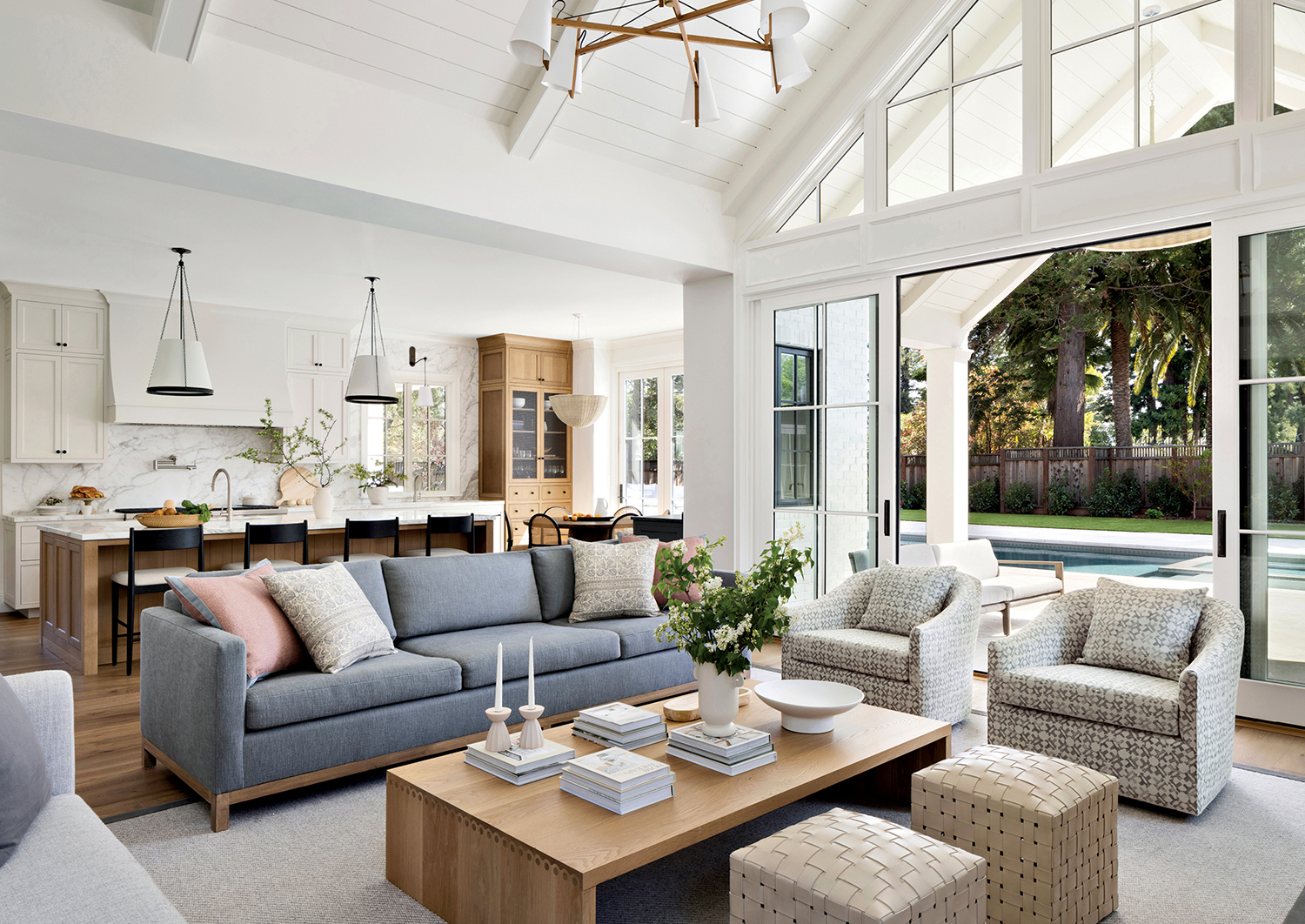
Open Living Spaces
Coastal living emphasizes relaxation and connection, which is why open floor plans are common in seaside houses.
Benefits of open layouts include:
- Better airflow and ventilation
- Natural light throughout the home
- Easy entertaining and family interaction
- Seamless transitions between indoor and outdoor areas
Living rooms, dining areas, and kitchens often flow together to create welcoming communal spaces.
Outdoor Living Spaces in Coastal Homes
Decks, Patios, and Verandas
Outdoor living is essential to the coastal lifestyle. Homes near the sea often feature expansive outdoor areas designed for relaxation and entertaining.

Common outdoor features include:
- Wraparound decks
- Covered verandas
- Ocean-view balconies
- Outdoor dining spaces
- Fire pits or lounge areas
These spaces allow homeowners to enjoy fresh ocean air and beautiful sunsets.
Landscaping for Coastal Environments
Landscaping around coastal homes must withstand wind, salt, and sandy soil. Native plants are often the best choice because they thrive in coastal conditions.
Examples include:
- Beach grasses
- Palm trees
- Sea lavender
- Coastal succulents
These plants provide texture and natural beauty while requiring minimal maintenance.
Key Features That Make Coastal Homes Unique
Maximizing Natural Light
Sunlight is one of the most important design elements in coastal architecture. Large windows, skylights, and glass doors help bring daylight deep into interior spaces.
Design techniques include:
- Clerestory windows
- Glass sliding doors
- Open staircases
- Minimal interior walls
These features ensure that the home always feels bright and open.
Strong Indoor–Outdoor Connection
Coastal homes blur the line between inside and outside. Designers often use features that visually extend living spaces toward the ocean.
Examples include:
- Sliding glass walls
- Outdoor kitchens
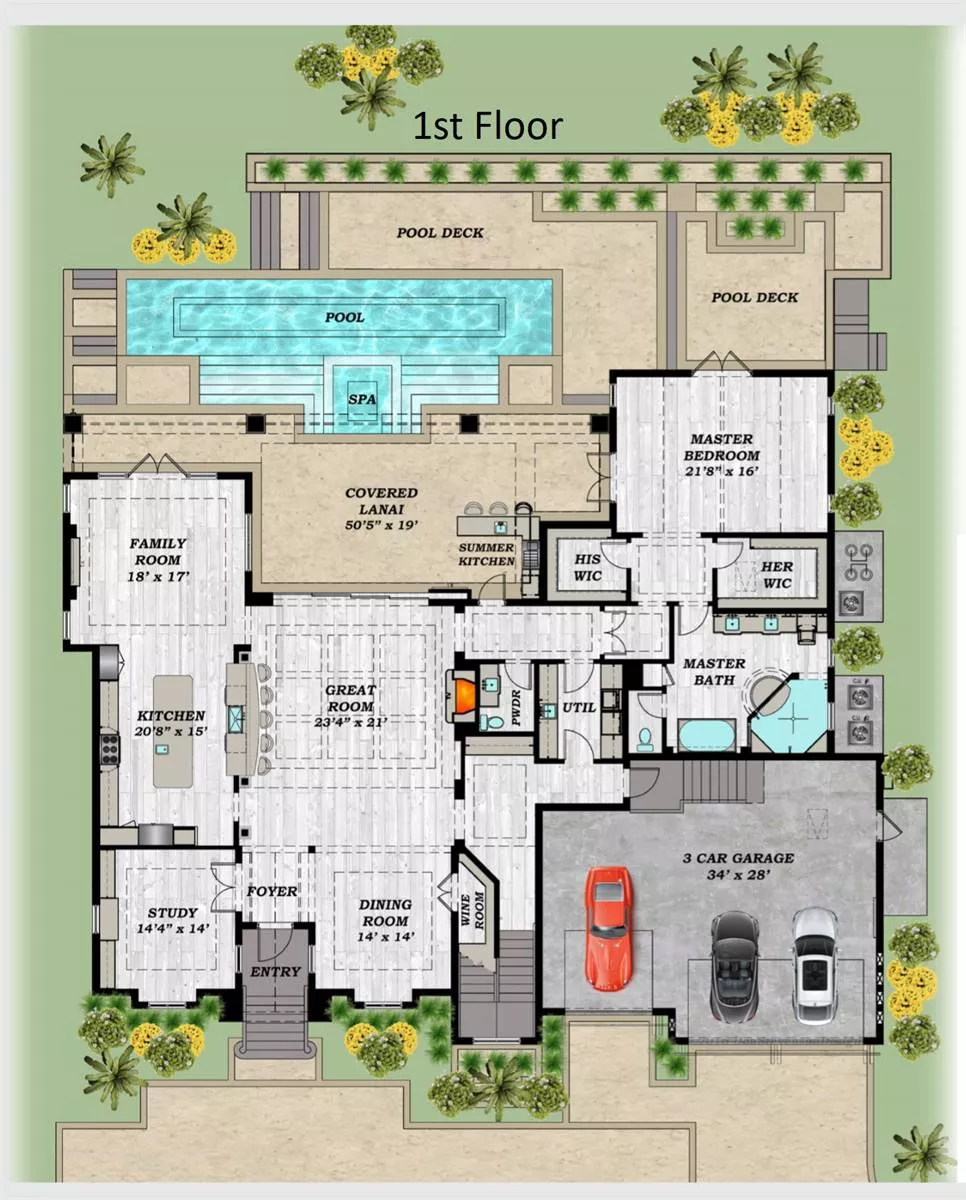
- Infinity pools overlooking the sea
- Covered outdoor lounges
The result is a home that feels deeply connected to nature.
Materials and Finishes for Coastal Homes
Durable Exterior Finishes
Coastal weather demands materials that resist moisture and corrosion. Durable exterior finishes help protect the home from salt air and strong winds.
Common exterior finishes include:
- Fiber cement siding
- Natural cedar shingles
- Stone or brick accents
- Marine-grade paints and coatings
These materials maintain their appearance even in challenging environments.
Interior Textures Inspired by Nature
Inside coastal homes, textures often reflect the natural beauty of the seaside.
Popular choices include:
- Woven rattan furniture
- Linen upholstery
- Driftwood tables
- Natural fiber rugs
These textures create warmth while maintaining the relaxed coastal aesthetic.
Designing Coastal Homes for Comfort and Sustainability
Energy Efficiency
Modern seaside houses often incorporate sustainable features that reduce environmental impact.
Examples include:
- Solar panels
- Energy-efficient windows
- Natural cross-ventilation
- LED lighting systems
These features help homeowners reduce energy consumption while maintaining comfort.
Storm and Climate Protection
Safety is a key consideration for coastal construction. Homes near the ocean must withstand strong winds and potential flooding.
Protective measures include:
- Elevated foundations
- Hurricane shutters
- Reinforced roofing systems
- Flood-resistant building materials
These strategies ensure that the home remains safe and resilient.
Decorating Coastal Homes
Furniture Choices
Furniture in coastal homes should prioritize comfort and durability.
Common choices include:
- Slipcovered sofas
- Weathered wood tables
- Wicker or rattan chairs
- Neutral-toned cushions
These pieces create a relaxed and inviting atmosphere.
Coastal Decor Elements
Decorative accents help reinforce the seaside theme without overwhelming the space.
Examples include:
- Seashell displays
- Nautical artwork
- Rope accents
- Glass lanterns
The key is to keep decor simple and elegant.
Coastal Homes Around the World
Mediterranean Coastal Houses
Mediterranean seaside homes often feature white stucco walls, terracotta roofs, and shaded courtyards. These homes emphasize cool interiors and outdoor living spaces.
Tropical Beach Houses
In tropical regions, coastal homes are designed to stay cool and ventilated. Large overhangs, wooden shutters, and elevated floors are common.
Contemporary Oceanfront Villas
Luxury seaside villas often combine modern architecture with dramatic ocean views. Glass walls, infinity pools, and minimalist interiors define these properties.
FAQ
What makes coastal homes different from regular homes?
Coastal homes are designed specifically for seaside environments. They often include features like elevated foundations, large windows, durable materials, and layouts that maximize ocean views.
What colors are best for coastal homes?
Light and natural colors work best. Whites, sandy beiges, ocean blues, and soft greens reflect the coastal environment and create a calm atmosphere.
Are coastal homes expensive to build?
Building costs can vary depending on location, materials, and design complexity. Oceanfront construction may require additional structural features, which can increase costs.
What materials work best for coastal climates?
Durable materials such as cedar wood, fiber cement siding, stainless steel fixtures, and impact-resistant glass perform well in coastal conditions.
Can coastal homes be energy efficient?
Yes. Many modern seaside houses incorporate solar panels, energy-efficient windows, and natural ventilation systems to reduce energy use.
How do coastal homes handle storms?
Storm-resistant construction techniques include elevated foundations, reinforced roofs, hurricane shutters, and strong structural materials.
What interior style works best in coastal homes?
A relaxed coastal interior style with natural textures, soft colors, and open layouts complements seaside living perfectly.
Do coastal homes require special maintenance?
Yes. Homes near the ocean may require regular maintenance due to salt air, humidity, and strong winds.
Conclusion
Living by the sea has long been associated with tranquility, beauty, and a slower pace of life. Coastal homes capture that spirit through thoughtful architecture, airy interiors, and a deep connection to the surrounding landscape.
From charming beach cottages to sleek modern villas, these homes offer a unique blend of comfort and natural elegance. Their design focuses on light, openness, and materials that echo the textures of sand, water, and sky.
Whether you’re dreaming of a peaceful vacation retreat or a permanent seaside residence, the principles behind coastal homes can inspire spaces that feel refreshing, welcoming, and timeless. By combining durable materials, thoughtful layouts, and natural design elements, you can create a home that truly reflects the beauty of coastal living.