
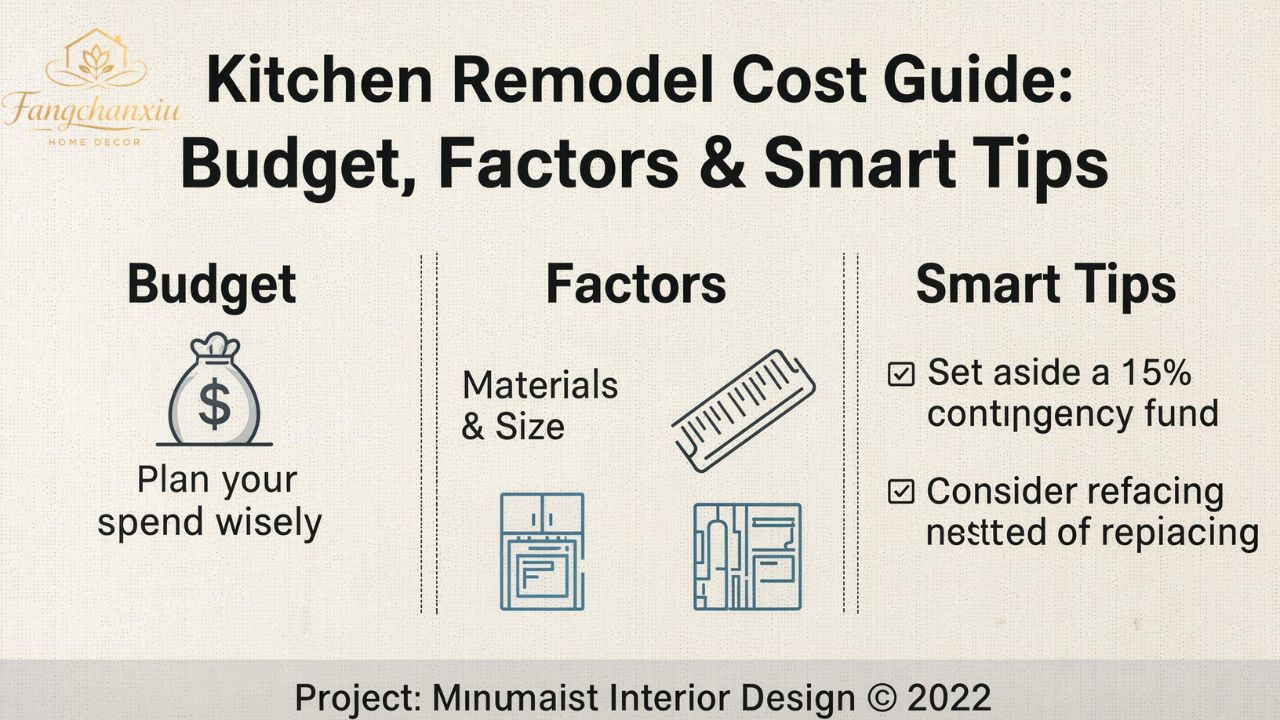
Introduction
A kitchen is often called the heart of the home—but updating it can feel overwhelming when you start researching the kitchen remodel cost. From cabinets and countertops to appliances and labor, expenses can add up quickly if you’re not prepared.
Many homeowners dream of a beautiful, modern kitchen but hesitate because they’re unsure how much the project will truly cost. Understanding what drives remodeling expenses helps you plan wisely and avoid unexpected surprises.
Whether you want a small refresh or a full transformation, knowing the realistic kitchen remodel cost can help you make informed decisions. In this guide, we’ll explore average costs, what influences pricing, and practical strategies to create a stunning kitchen without overspending.

Understanding the Average Kitchen Remodel Cost
A kitchen renovation can vary dramatically in price depending on several factors such as kitchen size, materials, and design complexity. On average, homeowners spend anywhere between $12,000 and $60,000 on a kitchen renovation.
Small cosmetic upgrades often stay under $15,000, while high-end renovations can exceed $75,000.
The kitchen remodel cost depends heavily on whether you’re simply updating finishes or completely reconfiguring the layout.
Typical price ranges include:
- Minor remodel: $10,000 – $20,000
- Mid-range remodel: $20,000 – $45,000
- Major luxury remodel: $50,000 – $100,000+
Even small design changes can significantly influence the total budget.
What Factors Affect Kitchen Remodel Cost
Every remodeling project is unique. Several key elements influence how much you’ll ultimately spend.
Kitchen Size and Layout
The size of the kitchen is one of the biggest drivers of renovation expenses. Larger kitchens require more flooring, cabinetry, countertops, and lighting.
Changing the layout also increases the kitchen remodel cost, especially if plumbing lines or electrical wiring must be moved.
For example:
- Moving sinks or dishwashers requires plumbing work
- Installing new lighting may require rewiring
- Removing walls can involve structural changes
These upgrades significantly impact labor and material costs.
Cabinetry Choices
Cabinets typically represent 30–40% of the total remodeling budget. Custom cabinetry is the most expensive option, while stock cabinets are far more affordable.
Cabinet options include:
- Stock cabinets: Budget-friendly and pre-built
- Semi-custom cabinets: Flexible sizing and finishes
- Custom cabinets: Fully personalized but costly
The style, material, and hardware also influence the final price.
Countertops and Materials
Material selection can dramatically affect your renovation budget.
Common countertop choices include:
- Laminate: Budget-friendly
- Butcher block: Warm and natural
- Quartz: Durable and modern
- Granite: Premium natural stone
- Marble: Luxury appearance but higher maintenance
Premium materials raise the kitchen remodel cost, but they also add long-term value to your home.
Appliances and Fixtures
Upgrading appliances can significantly impact the total cost. High-end appliances offer improved energy efficiency and performance, but they come with higher price tags.
Typical appliance upgrades include:
- Refrigerators
- Ovens and cooktops
- Dishwashers
- Range hoods
- Smart kitchen appliances
While these upgrades increase the kitchen remodel cost, they can also improve convenience and functionality.
Labor and Professional Services
Labor often accounts for 20–35% of the total project budget. Skilled professionals such as electricians, plumbers, carpenters, and tile installers are necessary for a successful remodel.
Costs vary depending on:
- Local labor rates
- Project complexity
- Permit requirements
- Contractor experience
Working with experienced contractors helps ensure quality results and avoids costly mistakes.
Budget Planning for a Kitchen Renovation
Before starting a renovation, creating a realistic budget is essential. Many homeowners underestimate expenses and later struggle with unexpected costs.
A smart budgeting approach includes:
- Defining project priorities
- Setting a spending limit
- Researching material costs
- Getting multiple contractor quotes
- Keeping a contingency fund
Most experts recommend reserving 10–20% of your total budget for unforeseen expenses.
Understanding the kitchen remodel cost beforehand helps you avoid financial stress and stay within your planned spending range.
Small Kitchen Remodel Cost vs Large Kitchen Renovation
The size of your kitchen plays a major role in determining renovation expenses.
Small Kitchen Remodel
Small kitchens are generally more affordable to renovate because fewer materials are required.
Typical upgrades may include:
- Cabinet refacing
- New backsplash
- Updated lighting
- Appliance upgrades
A small renovation often costs $10,000 to $25,000 depending on materials.
Large Kitchen Remodel
Larger kitchens typically require more cabinetry, countertops, and flooring.
Full renovations may involve:
- Layout changes
- Custom cabinets
- Kitchen islands
- Premium appliances
These projects often push the kitchen remodel cost beyond $40,000.
Cost Breakdown of Major Kitchen Components
Understanding where your money goes helps prioritize upgrades.
Typical cost distribution:
| Component | Estimated Share |
|---|---|
| Cabinets | 30–40% |
| Labor | 20–35% |
| Appliances | 10–15% |
| Countertops | 10–15% |
| Flooring | 5–10% |
| Lighting & fixtures | 5% |
Planning upgrades around this breakdown can help manage the kitchen remodel cost effectively.
Smart Ways to Reduce Kitchen Remodel Cost
Renovating doesn’t always require a massive budget. Strategic planning can significantly lower expenses.
Here are some practical ways to save money:
Keep the Existing Layout
Moving plumbing or gas lines can quickly increase renovation expenses. Keeping your current layout reduces labor and installation costs.
Reface Instead of Replace Cabinets
Cabinet refacing gives your kitchen a fresh look without the expense of completely new cabinetry.
This simple upgrade can dramatically lower the kitchen remodel cost while still improving aesthetics.
Choose Cost-Effective Materials
Premium materials look beautiful but aren’t always necessary.
Budget-friendly alternatives include:
- Quartz instead of marble
- Laminate instead of stone
- Vinyl flooring instead of hardwood
These alternatives maintain style while controlling costs.
Shop Smart for Appliances
Seasonal appliance sales and bundle deals can save hundreds or even thousands of dollars.
Energy-efficient appliances may cost more initially but often reduce long-term utility expenses.
Planning a Kitchen Remodel Timeline
A kitchen renovation can take anywhere from 4 weeks to several months depending on the project’s complexity.
Typical stages include:
- Design planning
- Material selection
- Demolition
- Structural updates
- Installation of cabinets and countertops
- Appliance installation
- Finishing touches
Planning each phase carefully ensures your renovation stays on schedule and prevents delays that increase the kitchen remodel cost.
Kitchen Remodel Cost and Home Value
A well-designed kitchen renovation can significantly increase property value. Many real estate professionals consider kitchen updates one of the best home improvement investments.
Homeowners often recover 60–80% of renovation costs when selling their homes.
Beyond resale value, an updated kitchen improves:
- Daily functionality
- Energy efficiency
- Storage space
- Overall home appeal
When planned wisely, the kitchen remodel cost becomes a long-term investment rather than just an expense.
FAQ
How much does a kitchen remodel cost on average?
The average kitchen remodel cost ranges between $12,000 and $60,000 depending on kitchen size, materials, and renovation complexity.
What is the most expensive part of a kitchen renovation?
Cabinetry usually represents the largest portion of the budget, often accounting for up to 40% of total renovation costs.
Can I remodel my kitchen on a $10,000 budget?
Yes, smaller renovations such as cabinet refacing, new paint, updated lighting, and minor appliance upgrades can often be completed within a $10,000 budget.
How long does a kitchen renovation take?
Most kitchen renovations take between four and twelve weeks depending on the scope of work and contractor availability.
Does remodeling a kitchen increase home value?
Yes, kitchen renovations typically offer strong returns and can increase both resale value and buyer interest.
Should I hire a contractor or DIY a kitchen remodel?
Small cosmetic upgrades can often be done DIY, but larger renovations involving plumbing, electrical work, or structural changes usually require professional contractors.
What should I prioritize in a kitchen remodel?
Focus on cabinetry, layout functionality, and durable countertops. These upgrades have the biggest impact on both usability and aesthetics.
How can I lower kitchen remodeling expenses?
Keeping the existing layout, choosing budget-friendly materials, and refacing cabinets instead of replacing them can significantly reduce costs.
Conclusion
Renovating your kitchen is one of the most rewarding home improvement projects, but it requires thoughtful planning and budgeting. By understanding the factors that influence pricing—from cabinetry and materials to labor and appliances—you can estimate the true kitchen remodel cost before starting your project.
Careful planning allows you to balance style, functionality, and affordability. Whether you’re making small updates or planning a full renovation, the right strategy ensures your kitchen becomes a space that’s both beautiful and practical for years to come.