
Introduction
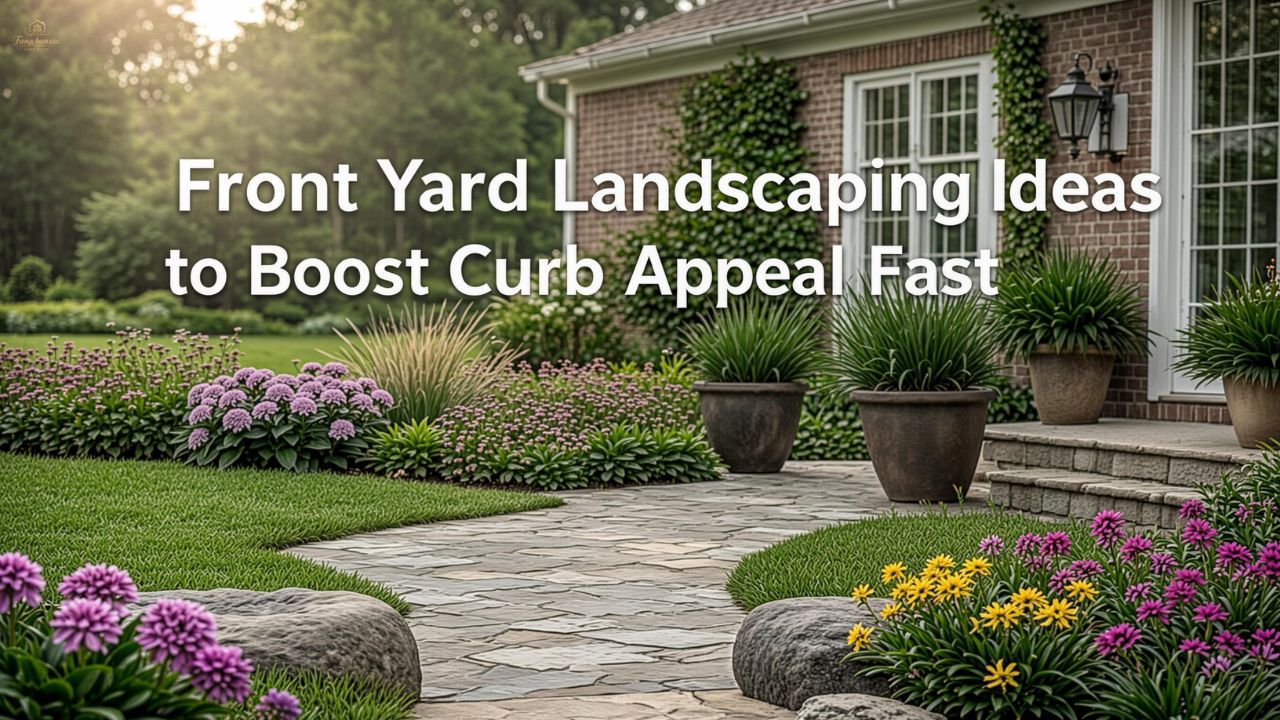
First impressions matter, and the outside of your home often tells the story before anyone even walks through the door. Thoughtful front yard landscaping ideas can instantly transform an ordinary house into a welcoming, stylish space that reflects personality and care.
A well-designed front yard doesn’t just improve appearance—it can increase property value, create a relaxing environment, and make your home stand out in the neighborhood. From lush gardens and elegant pathways to modern minimalist designs, landscaping offers countless opportunities to enhance your outdoor space.
Many homeowners assume landscaping requires large budgets or professional designers, but even simple updates can create a dramatic effect. With the right inspiration and a clear plan, your yard can become one of the most beautiful parts of your property.
This guide explores creative and practical ways to design a front yard that looks stunning year-round while remaining easy to maintain.
Why Front Yard Landscaping Matters
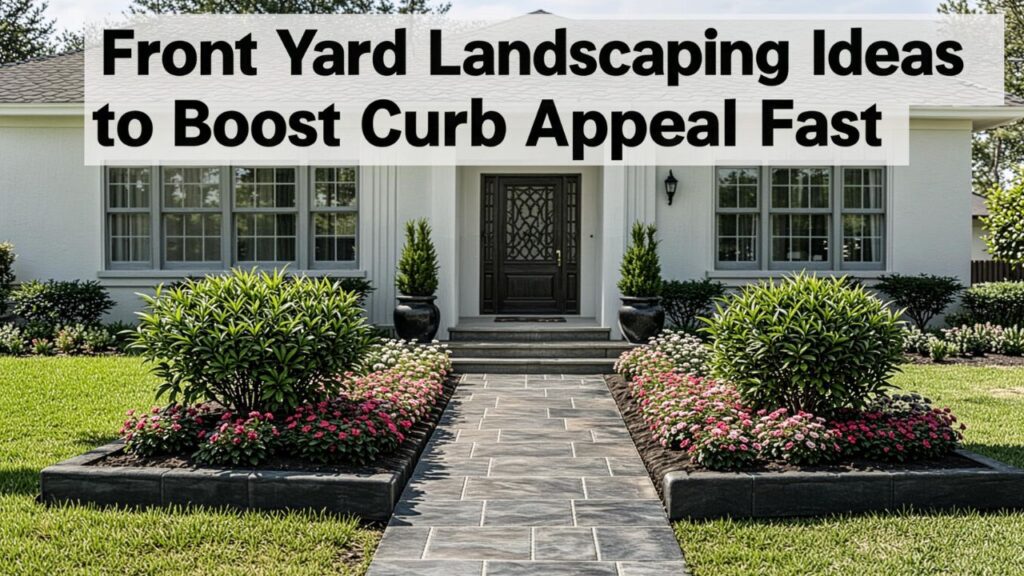
A front yard serves as the visual introduction to your home. It shapes how visitors, neighbors, and even potential buyers perceive your property.
Good landscaping achieves several important goals:
- Enhances curb appeal and overall aesthetics
- Creates welcoming entrances and pathways
- Improves outdoor functionality
- Supports environmental benefits like shade and biodiversity
- Increases property value
The most effective landscapes combine beauty, balance, and practicality. When plants, pathways, and design elements work together, the entire outdoor space feels intentional and harmonious.
Planning the Perfect Landscape Layout
Before planting flowers or installing pathways, it’s essential to understand the structure of your yard.
Analyze Sunlight and Soil Conditions
Different plants require different amounts of sunlight and soil types. Observe your yard throughout the day to see where sunlight falls.
Consider these factors:
- Full sun vs partial shade areas
- Soil drainage conditions
- Existing trees or structures
- Local climate
Understanding these details helps ensure plants thrive instead of struggling.
Design Around Focal Points
Every beautiful yard benefits from a central feature that draws attention.
Common focal points include:
- Decorative trees
- Flower beds
- Water features
- Garden sculptures
- Entry pathways
When designed carefully, focal points guide the eye and create a sense of structure throughout the yard.
Classic Garden Bed Designs
One of the most timeless front yard landscaping ideas involves structured garden beds that frame the home.
Layered Flower Beds
Layering plants based on height creates depth and visual interest.
A simple layering approach:
- Tall plants at the back
- Medium plants in the middle
- Ground covers or low flowers at the front
This arrangement ensures every plant remains visible while creating a natural gradient.
Curved Garden Borders
Straight lines can sometimes feel rigid. Curved garden edges soften the landscape and add a natural flow.
Curved beds:
- Create movement in the design
- Make small spaces appear larger
- Guide visitors visually toward the entrance
Stone edging or brick borders can enhance the polished look.
Modern Minimalist Landscaping
Minimalist landscapes focus on simplicity, clean lines, and carefully selected plants.
Structured Planting Designs
Modern homes often benefit from symmetrical plant arrangements.
Examples include:
- Boxwood hedges
- Ornamental grasses
- Sculptural succulents
- Small evergreen trees
Instead of many plants, minimalist landscaping emphasizes fewer but carefully chosen elements.
Gravel and Stone Features
Replacing traditional lawns with gravel or decorative stone has become increasingly popular.
Benefits include:
- Lower maintenance
- Reduced water use
- Contemporary appearance
Gravel pathways combined with structured plants create an elegant modern look.
Low-Maintenance Landscaping Solutions
Busy homeowners often prefer designs that require minimal upkeep.
Several front yard landscaping ideas focus specifically on reducing maintenance while maintaining beauty.
Drought-Tolerant Plants
Plants that require less watering are ideal for sustainable landscaping.
Popular choices include:
- Lavender
- Sedum
- Coneflowers
- Ornamental grasses
- Yucca
These plants thrive in many climates while reducing water usage.
Mulch for Easy Maintenance
Mulch provides multiple advantages:
- Retains soil moisture
- Prevents weed growth
- Enhances garden appearance
Organic mulch also improves soil health as it decomposes over time.
Creative Pathways and Walkways
Walkways guide visitors from the street to your door while adding structure to the yard.
Natural Stone Walkways
Stone pathways feel organic and timeless.
Popular materials include:
- Flagstone
- Slate
- Limestone
- River rocks
These stones blend beautifully with plants and greenery.
Stepping Stone Paths
Stepping stones offer a relaxed, charming aesthetic.
They work particularly well in cottage-style gardens where plants grow slightly around the edges of the stones.
Adding Trees for Depth and Shade
Trees are powerful design elements in landscaping.
Strategically placed trees can:
- Provide shade
- Add vertical height
- Frame the house visually
Small ornamental trees such as Japanese maple, dogwood, or flowering cherry can dramatically enhance the yard without overwhelming the space.
Using Lighting to Transform the Landscape
Outdoor lighting extends the beauty of your yard into the evening hours.
Pathway Lighting
Soft pathway lights improve both safety and aesthetics.
They highlight walkways while guiding visitors toward the entrance.
Accent Lighting for Plants and Trees
Spotlights can emphasize architectural plants or trees, creating dramatic nighttime visuals.
Lighting also adds warmth and security to the home environment.
Seasonal Color and Year-Round Beauty
A great landscape evolves through the seasons.
Consider planting combinations that provide visual interest year-round.
Examples include:
Spring
- Tulips
- Daffodils
- Cherry blossoms
Summer
- Roses
- Hydrangeas
- Daylilies
Autumn
- Maple trees
- Chrysanthemums
- Ornamental grasses
Winter
- Evergreen shrubs
- Decorative bark trees
- Winter berries
By combining seasonal plants, your front yard remains lively and vibrant throughout the year.
Incorporating Hardscape Features
Hardscaping refers to non-plant design elements that structure the yard.
Examples include:
- Retaining walls
- Decorative stone borders
- Raised planters
- Garden benches
- Water fountains
Hardscapes add contrast and permanence to landscapes dominated by plants.
They also create seating areas where homeowners can enjoy the outdoor space.
Small Yard Landscaping Strategies
Limited space doesn’t mean limited creativity.
Some of the most elegant front yard landscaping ideas come from thoughtful small-space designs.
Vertical Gardens
Climbing plants or vertical garden structures maximize greenery without taking up ground space.
Compact Plant Arrangements
Choose smaller shrubs and ornamental plants that provide visual impact without overcrowding the yard.
Eco-Friendly Landscaping Approaches
Sustainable landscaping is becoming increasingly important.
Environmentally friendly options include:
- Rain gardens that collect runoff water
- Native plants adapted to local climates
- Permeable pathways that allow water absorption
- Pollinator gardens for bees and butterflies
These designs support local ecosystems while reducing maintenance needs.
Personalizing Your Landscape Style
Every yard should reflect the homeowner’s personality.
Popular landscaping styles include:
Cottage Garden
Filled with colorful flowers, winding paths, and a relaxed feel.
Modern Landscape
Defined by geometric shapes, neutral tones, and minimalist planting.
Mediterranean Garden
Featuring gravel beds, olive trees, and drought-resistant plants.
Tropical Landscape
Lush greenery with bold leaves and vibrant colors.
Choosing a theme helps maintain design consistency and visual harmony.
FAQ
What are the easiest plants for front yard landscaping?
Low-maintenance plants like lavender, hosta, ornamental grasses, hydrangeas, and boxwood shrubs are excellent choices because they require minimal care while offering strong visual appeal.
How can I improve curb appeal quickly?
Simple updates like fresh mulch, colorful flowers near the entrance, trimmed hedges, and pathway lighting can dramatically improve curb appeal in a short time.
Are lawns necessary in modern landscaping?
No. Many modern landscapes replace lawns with gravel beds, stone features, or drought-tolerant plants to reduce maintenance and water usage.
How much does front yard landscaping usually cost?
Costs vary widely depending on design complexity. Small improvements may cost a few hundred dollars, while full landscape redesigns can reach several thousand.
What is the best layout for a front yard garden?
A balanced layout often includes layered plant beds, a clear pathway to the entrance, and a focal point such as a tree or decorative feature.
How can I make a small front yard look bigger?
Use curved pathways, vertical plants, and layered planting designs. These techniques add depth and make the space feel larger.
Should I hire a professional landscaper?
For large or complex projects, professionals can provide expertise and efficiency. However, many smaller landscaping projects can be successfully completed by homeowners.
What lighting works best for front yards?
Pathway lights, accent spotlights for plants, and warm entrance lighting create a welcoming atmosphere while improving nighttime safety.
Conclusion
Thoughtfully designed landscapes can completely transform how a home looks and feels. The best front yard landscaping ideas combine creativity, structure, and practicality to create outdoor spaces that are both beautiful and functional.
Whether you prefer lush flower gardens, modern minimalist layouts, or eco-friendly plant designs, the key is thoughtful planning and balance. Even small changes—such as adding pathways, trees, or lighting—can dramatically elevate the appearance of your property.
A welcoming front yard not only enhances curb appeal but also creates a space that homeowners can take pride in every day. With the right inspiration and a little effort, your outdoor space can become a stunning extension of your home.